Episodes, articles, books, people, and topics. Search by subject, name, or Bible passage, and hear any moment from more than a thousand episodes exactly where it was said.
Philosophy for TheologiansMay 17, 2010
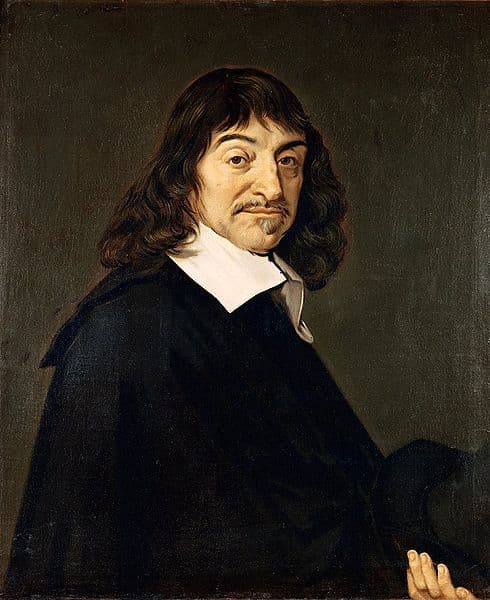
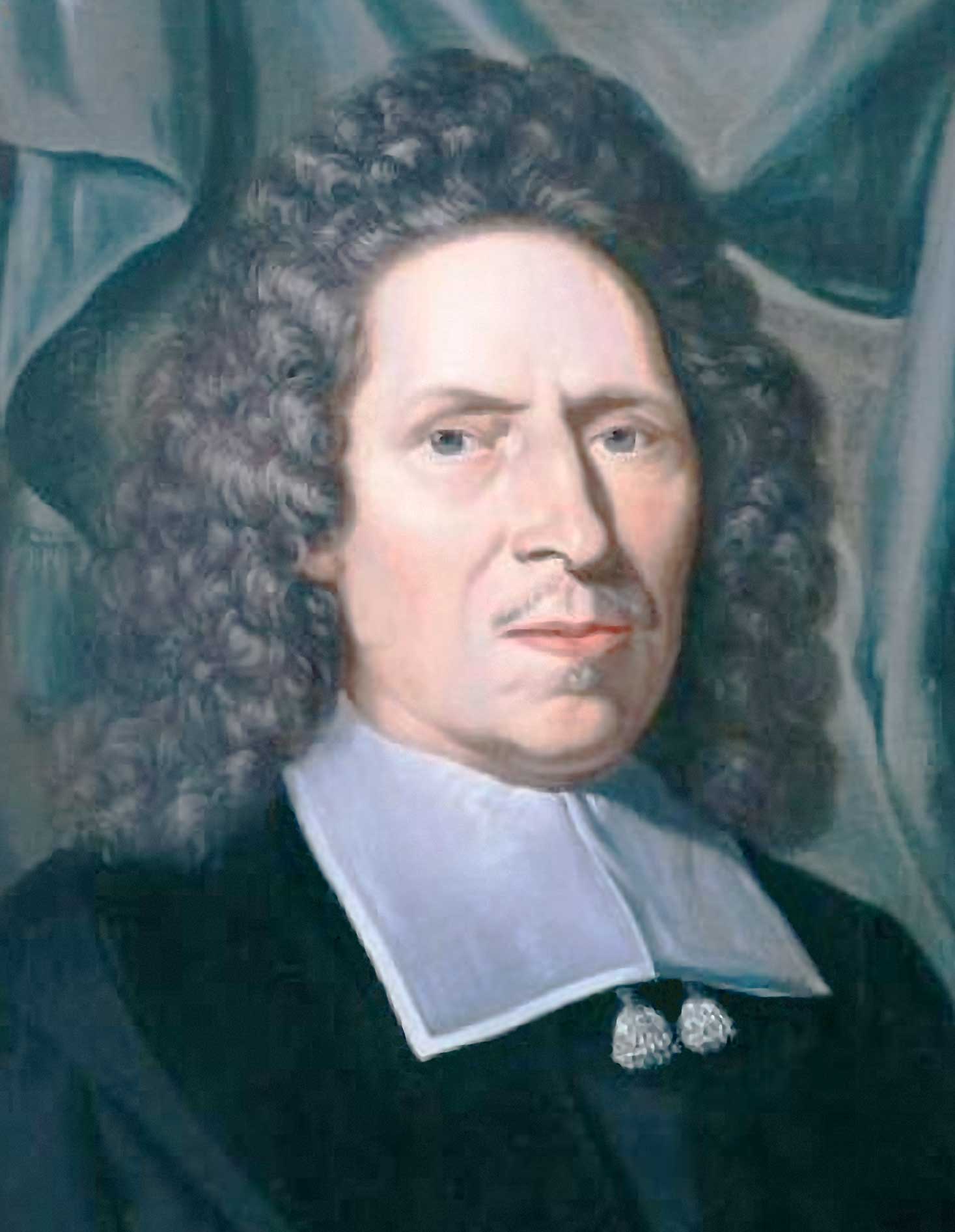
René DescartesDescartes (31 March 1596 – 11 February 1650), was a French philosopher, mathematician, and physicist
July 17, 2018
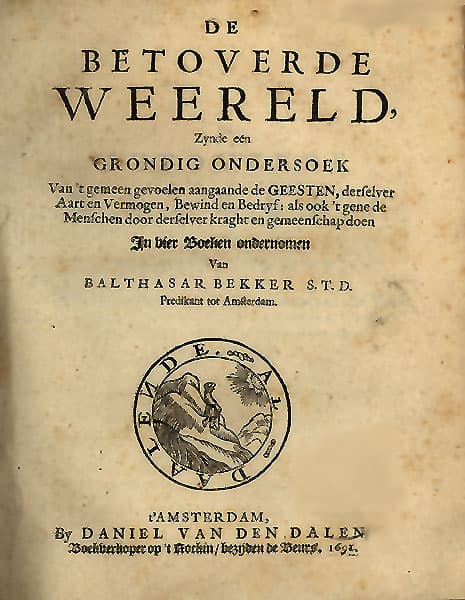
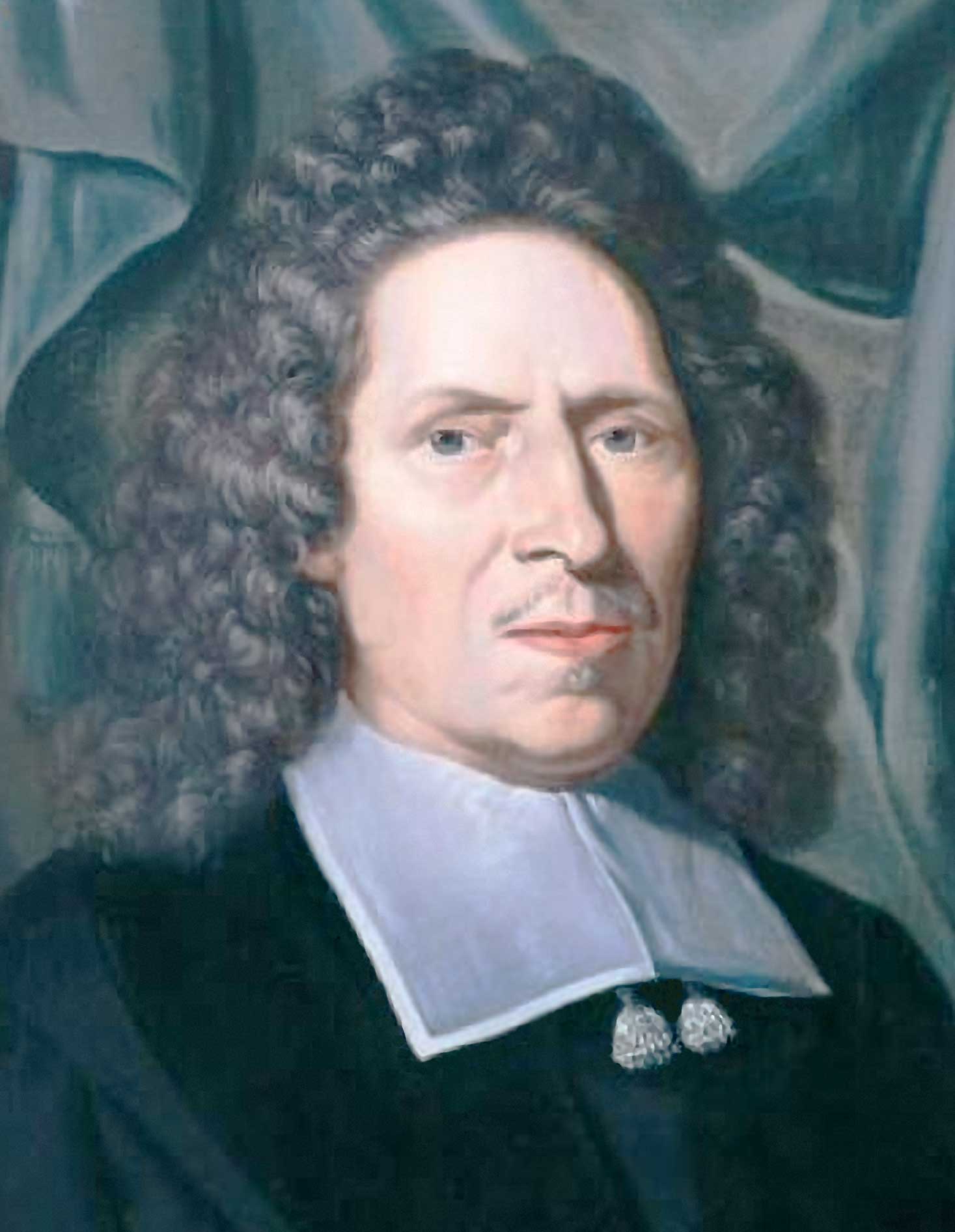
Beginning with Scripture, Ending with Worship: An Analysis of Petrus van Mastricht’s Polemic against Balthasar BekkerDescartes—resulting in a true Descartes vs. the Cartesians. While it goes beyond the scope
July 15, 2008
Inhabiting Reality: Thomas F. Torrance’s Criticisms of DualismDescartes in his critico-analytical method, and of thinking in external relations which was accentuated
September 25, 2017
The Essential Van Til — How Irrationalism is RationalismDescartes, Spinoza and Leibniz represented, is out of date. It has become customary to speak
July 10, 2018
Catching up on Petrus van MastrichtDescartes (1596–1650) in the Netherlands in 1628. “If it is true,” Goudriaan writes
October 30, 2017
The Essential Van Til – In the Beginning (Part 2)Descartes, I think therefore I am, or even with Hocking, I think God therefore
August 30, 2017
The Enlightenment’s Splintering of FaithDescartes and Bacon, eventually ended up in dogmatism and empiricism ( “Philosophy of Religion (Faith
Descartes‘ philosophy modern? What makes Descartes‘ philosophy modern? You probably know the paradigm that Descartes is understood as the father
Descartes in philosophy, is whether things exist outside the mind. Okay? Whether objects outside of the mind actually
Descartes in paradigm through Kant himself to the point where they actually say that the world outside there
Descartes in the 1630s and 1640s, in terms of his discourse and method and his meditations, when you start
Descartes. Emmanuel, sorry, Descartes. René. René. I thought his first name was René. René, thank you. René or René
Descartes, and why does his approach to epistemology need to be, I don’t know, eliminated? Well, you can put Descartes
Descartes, but Descartes embodies it. And he, more than the people before him, therefore, wanted to affirm, no, you have
first one’s on Rene Descartes. And you just mentioned, be transformed by the renewing of your mind.
Descartes is famous for being a champion of what we now recognize as the autonomy of human thinking
Descartes, Wolf was a disciple of Descartes, their approach to epistemology begins to infiltrate Christian dogmatics, and at that
none of the great modern philosophers like Descartes, Kant, Hegel, or Kierkegaard, and others, have ever spoken of
Descartes, I know I’m throwing a lot of philosophy here, but Descartes said fundamentally reality consists of two substances
Descartes, um, and his philosophy, which, um, I mean, again, a basic rationalism, um, I think therefore I am beginning
Descartes actually moving to Amsterdam and the Netherlands, where they had a bit more freedom to speak about
Descartes. They actually wrote to each other. And so you can find a lot of research on that
Descartes and even the dualism or really the pantheism of Spinoza as well, in which you have sort
Descartes, right? That’s right. I doubt everything except for myself, right? The doubting self. Right. But that
Descartes, coming, as you explained, to its highest and most consistent perhaps expression in Kant. You know, there
Descartes believed that you’re not really under the authority of the Bible or the Church, and Kant
Descartes and Kant and this whole stream of philosophy. He denies that you can know God on the basis
Descartes and then very quickly Spinoza, Leibniz, Locke, Berkeley, Hume, and so on. This really represents another large
Descartes and then moving from there, developing. Not as if there was no role for the subjective in reform
Descartes, as you mentioned, and then Immanuel Kant, of course, turning us into ourselves and building the ground
Descartes did with the rational, you know, let’s critique everything. And Hume is saying that knowledge, if we’re going
Or Descartes, you know, an indubitable.
from a position of doubt. In other words, Van Til is not a Cartesian. Okay, he’s not Descartes.
course, so the brain in the vat problem would probably be the same as the wicked genie in Descartes, right?
Descartes do you stop and you, but you believe in yourself? Isn’t that a deliverance of your
Descartes‘s so smart. What do we have? Are we smart? Can we say anything to him? So I think