Episodes, articles, books, people, and topics. Search by subject, name, or Bible passage, and hear any moment from more than a thousand episodes exactly where it was said.
Reformed Forum LiveMay 16, 2025
Understanding Eastern Orthodoxy: A Reformed Introduction, Part 1 (The Church and Scripture)Reformed Forum Conference 15:51 Why Study Eastern Orthodoxy from a Reformed Perspective 18:10 Survey
Special EditionJune 25, 2025
Understanding Eastern Orthodoxy: A Reformed Introduction, Part 3 (Worship and the Sacraments)Orthodoxy for Reformed Christians, Camden Bucey explores Orthodox worship and sacramental theology through a Reformed
Christ the CenterSeptember 7, 2018
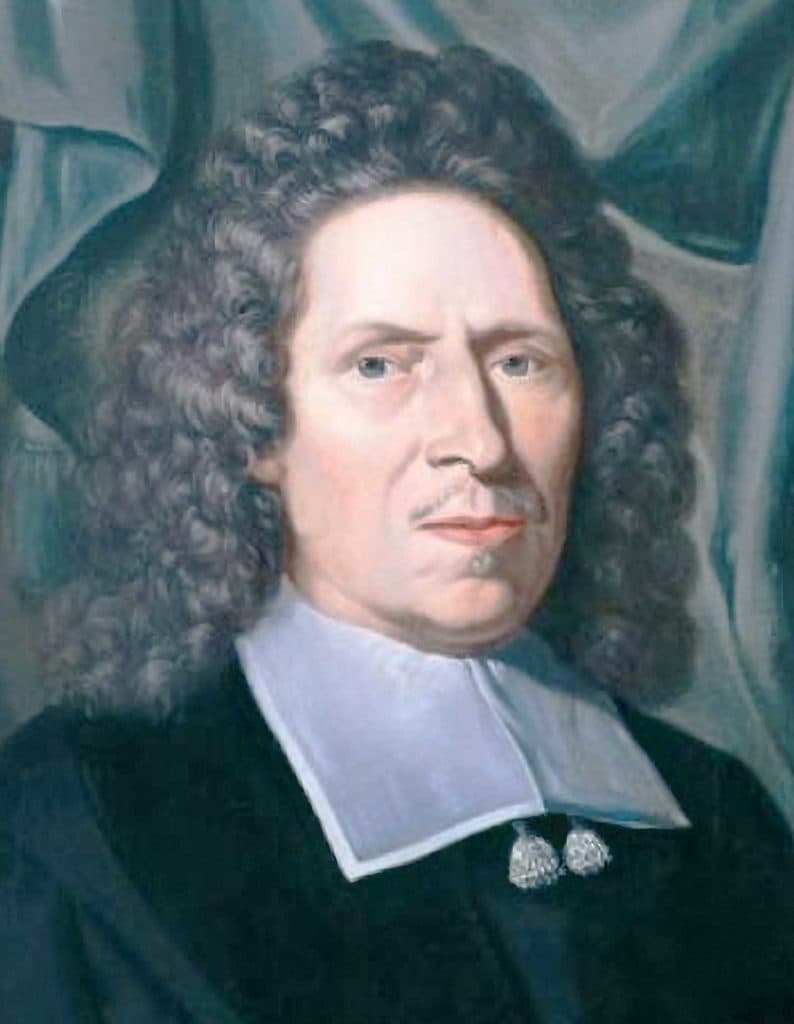
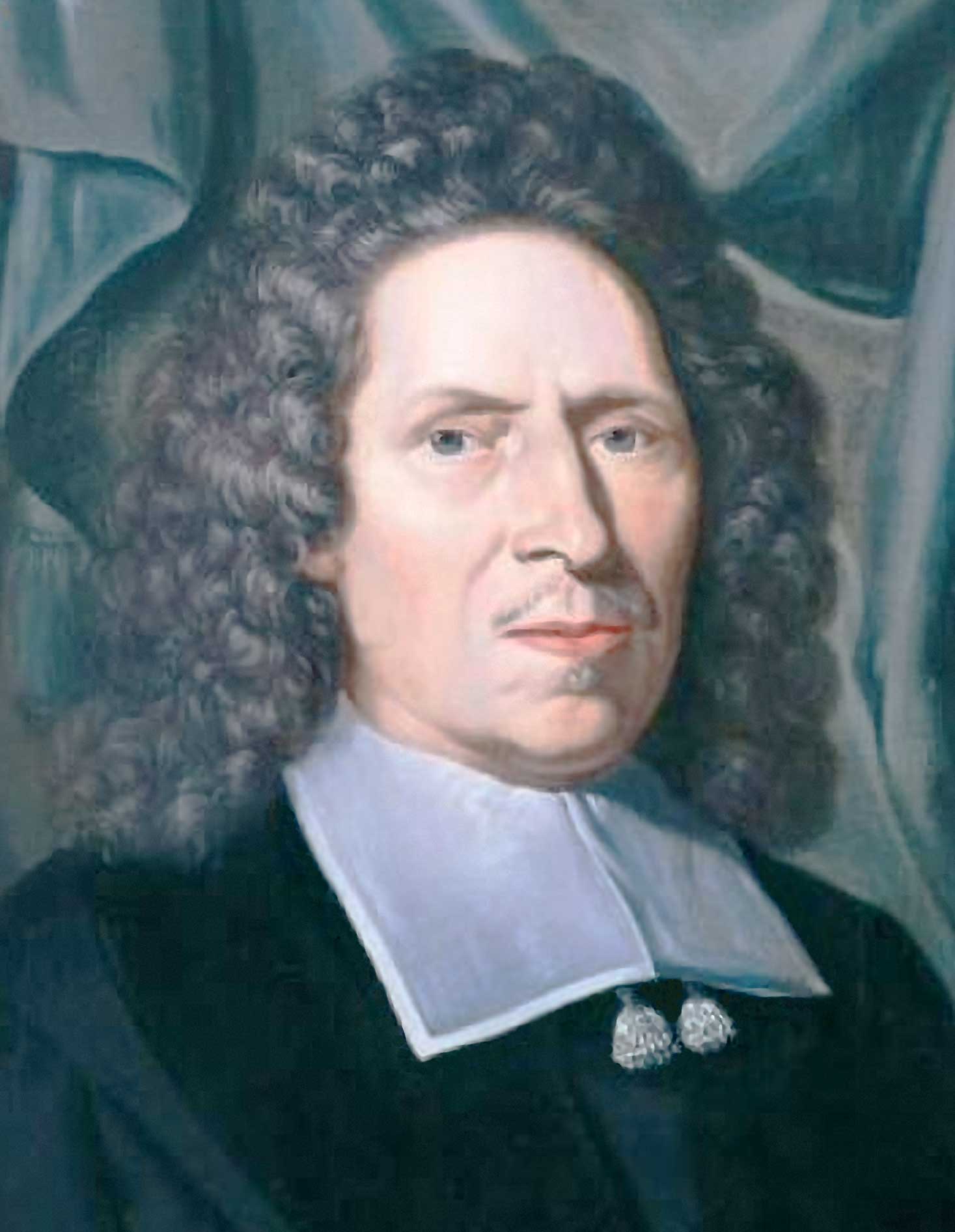
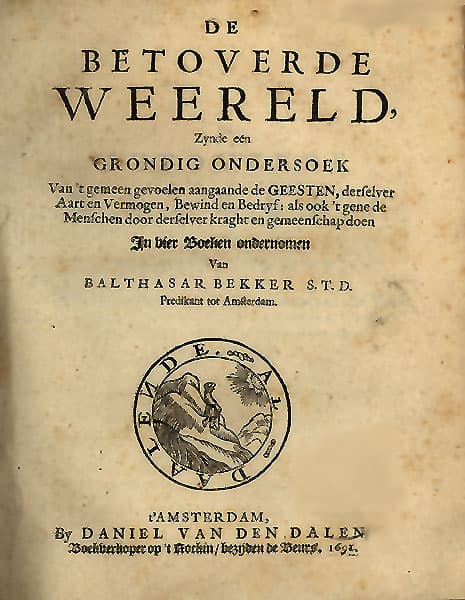
Petrus van Mastricht’s Polemic against Balthasar BekkerReformed orthodoxy against Cartesian influences. Van Mastricht wrote a polemic against Balthasar Bekker, a critic
Special EditionJune 10, 2025
Understanding Eastern Orthodoxy: A Reformed Introduction, Part 2 (The Doctrine of God and Salvation)Orthodoxy, Camden Bucey considers key theological distinctions and points of contact between Eastern Orthodox and Reformed
Christ the CenterJanuary 24, 2025
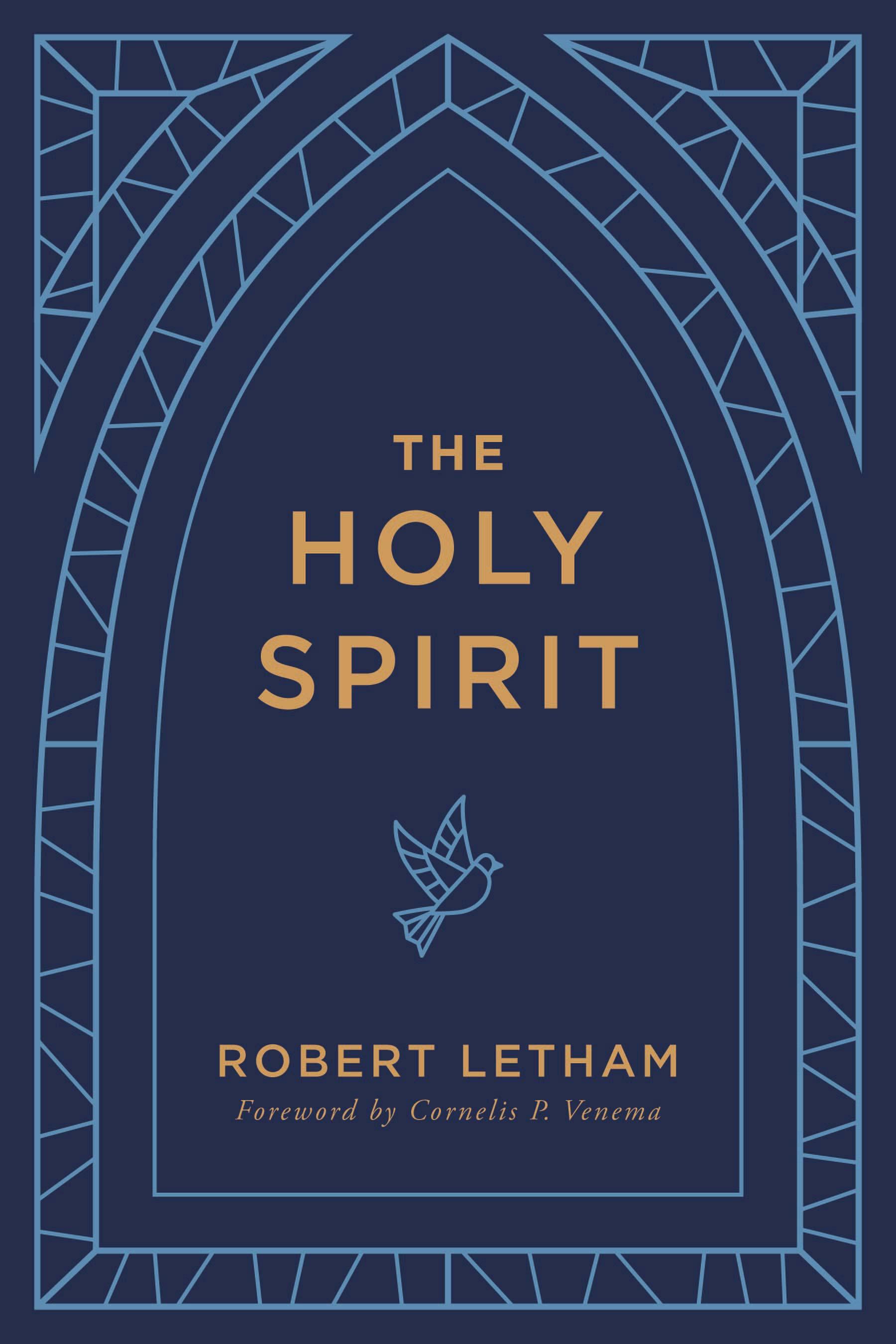
The Holy SpiritReformed orthodoxy. Whether you’re a theologian, pastor, or layperson, this conversation will deepen
Christ the CenterAugust 5, 2022
The Extra Calvinisticum from Zwingli to Early OrthodoxyOrthodoxy (Oxford University Press, 2021). In this book, Drake seeks to broaden the study of the extra Calvinisticum by investigating how the doctrine arose within sixteenth-century Reformed
August 14, 2017
The Essential Van Til — His Relation to ScholasticismReformed scholasticism/Reformed orthodoxy. Reformed orthodoxy stood with Calvin’s thought over against Rome and Barthianism
July 10, 2018
Catching up on Petrus van MastrichtReformed Dogmatics, Richard Muller locates Mastricht within the era of high orthodoxy (ca. 1640–1685–1725). Muller
reformed orthodoxy, but he’s basically following this, not just Baving, but Kuyperian move of standing on reformed
July 17, 2018
Reformed Orthodoxy According to the periods proposed by Richard Muller, Mastricht is located within
January 9, 2018
The Essential Van Til – The Beati PossidentesReformation orthodoxy. What is it that the Crisis theologians withstand in modern Protestantism, in Romanism
February 28, 2017
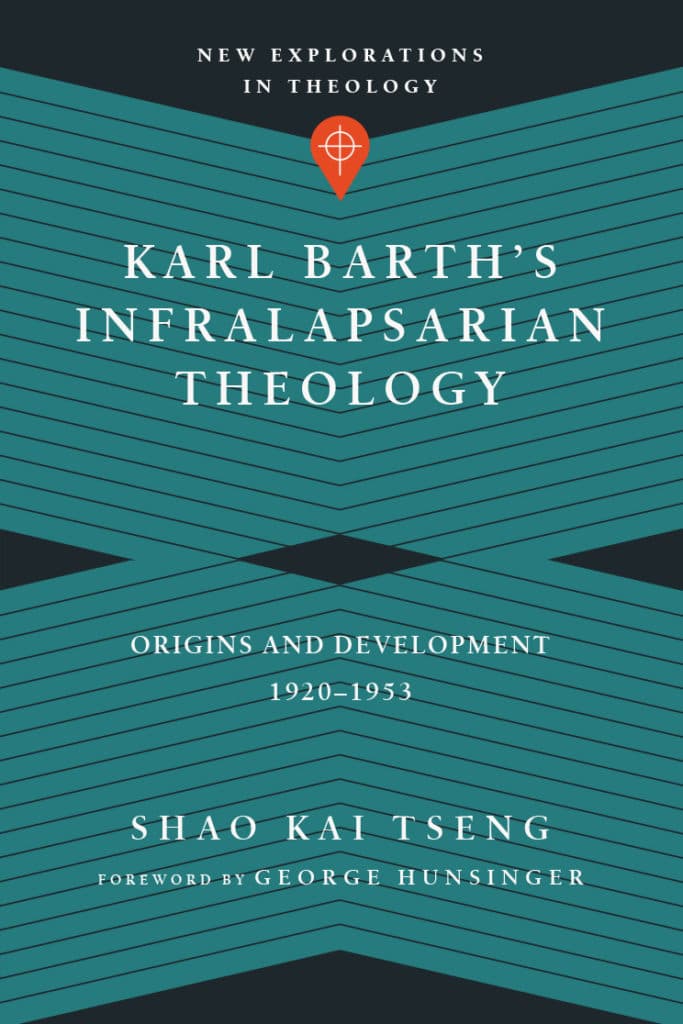
Karl Barth’s (basically) Infralapsarian Theology: A Review ArticleReformed orthodoxy and discovered the “pneumatological ordo salutis” as well as the “ anhypostatic – enhypostatic
February 18, 2015
The Omnipresent GodReformed tradition. Laying the biblical and theological foundation for God’s omnipresence allows us to conclude by discussing several modern approaches to the doctrine of God’s omnipresence that depart
where he had these, uh, commitments to reformed orthodoxy and to reformed theology, but he also at times would,
propelled orthodoxy into the 20th century. And not only orthodoxy, but particularly Reformed orthodoxy into the 20th century.
Reformed Orthodoxy, especially following the Reformation. So we have the Cambridge Companion to the Trinity as well as the Oxford
Reformed Orthodoxy, and the basic thesis is that Reformed authors reworked the application of Trinitarian theology in light
Reformed Orthodoxy basically failed to do so. And then there are other avenues by which the Reformed development
Reformed Orthodoxy, and this is why I thought of Votius, because there’s a number of articles there
Reformed Orthodoxy and the post-Reformation Reformed theologians. And we’re reading the sources of our Reformed fathers
Reformed orthodoxy has also led many scholars to a greater appreciation of the medieval foundations of Reformed theology
Reformed Orthodoxy. So he’s a Reformed Orthodox thinker, a Reformed scholastic, systematic theologian, a dogmatician, but not too many
were a part of another movement for confessional Reformed orthodoxy in the German, the old German Reformed church.
Reformed Orthodoxy, I would argue, better than most other Reformed seminaries in the United States, partly because they
maybe a dozen, at least a dozen theologians, seminarians, seminary faculty who are teaching and expounding Reformed Orthodoxy,
Reformed Orthodoxy of the 16th and 17th centuries. So as Princeton begins to hire people who are Barthian
orthodoxy, because this is severely different. It is drastically different from Reformed orthodoxy and from what Scripture teaches
Reformed orthodoxy, and on this ground, be able to serve even non-Reformed churches. So that’s the vision
Reformed Orthodoxy or liturgy or whatever. No, they still had a sense of the formal life of Reformed
Reformed Orthodoxy expert in the Netherlands, I asked him, is, in your view, your reading of 16th and 17th